

We have all been there. You open TikTok just to check one video, and suddenly it is 2:00 AM. You have spent hours swiping up, trapped in a loop of dance trends, recipes, and memes.
Well, the European Union has officially decided that this “doomscrolling” is not just a bad habit; it is a design feature meant to exploit you.
In a landmark preliminary finding released this Friday, the European Commission accused TikTok of breaching the Digital Services Act (DSA). The core of the accusation? The app is purposefully designed to be addictive, trapping users, especially children, in a cycle of compulsive use.
The End of the Doomscroll?
The Commission did not mince words. They argue that TikTok’s most famous features are its most dangerous. The investigation highlighted infinite scroll, autoplay, and the recommendation engine as the primary culprits.
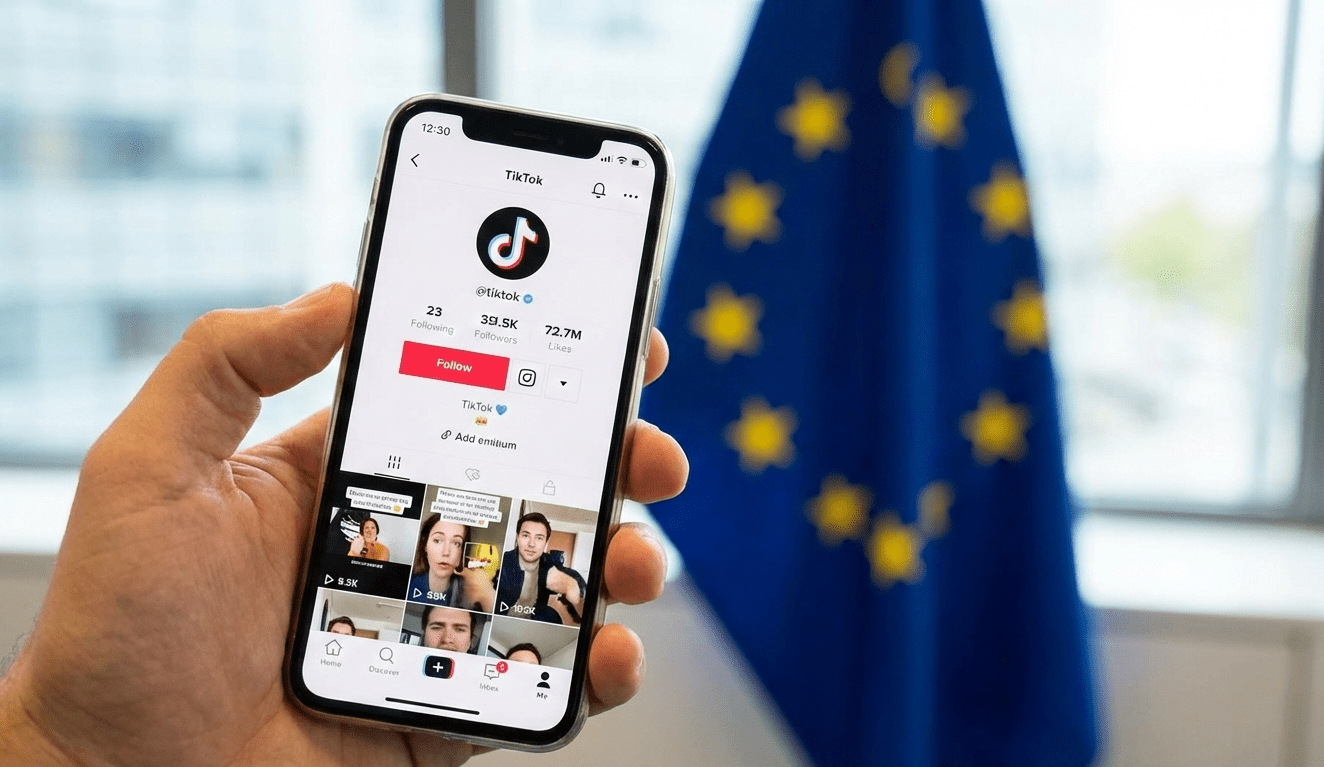
According to the EU executive arm, these features are built to trigger “dopamine hits” that shift the user’s brain into what they call “autopilot mode.”
The Commission stated that by constantly rewarding users with new content, TikTok fuels an urge to keep scrolling that reduces self-control. This is particularly concerning for minors. Alarmingly, the investigation revealed that TikTok is the most-used social media platform after midnight for teenagers aged 13 to 18.
What the EU Wants Changed
This is not just a warning letter. The EU is demanding fundamental changes to the app’s interface in Europe. To comply with the Digital Services Act, TikTok may be forced to:
-
Disable infinite scroll so users have a natural stopping point.
-
Turn off autoplay by default.
-
Modify the algorithm to stop pushing users down “rabbit holes.”
-
Enforce mandatory screen time breaks that are harder to dismiss.
While TikTok currently offers screen-time management tools, the Commission dismissed them as ineffective, noting that they are too easy for users to ignore and require too much effort for parents to set up.
TikTok Fights Back
TikTok is not taking these accusations lying down. In a fiery response, a spokesperson for the company called the Commission’s findings “categorically false and entirely meritless.”
The company argues that they have already implemented robust safety measures and plan to challenge the findings with every tool at their disposal.
However, the stakes are incredibly high. If TikTok is found to violate the DSA, it could face a fine of up to 6% of its global annual turnover. For a company the size of ByteDance, that is a bill worth billions of dollars.
A Global Crackdown
This move by the EU is part of a much larger global trend in 2026. Governments are done asking Big Tech to self-regulate.
-
Australia has already mandated that social media sites deactivate accounts for users under 16.
-
The U.S. has seen 24 states enact age-verification laws, and TikTok recently settled a major addiction lawsuit there.
-
France and Spain are currently drafting similar strict measures.
The days of the “Wild West” of social media seem to be coming to an end. If the EU succeeds here, the version of TikTok you play with tomorrow might look very different from the one you have today.
Read blog articles: https://caistechnology.com/news-insights/